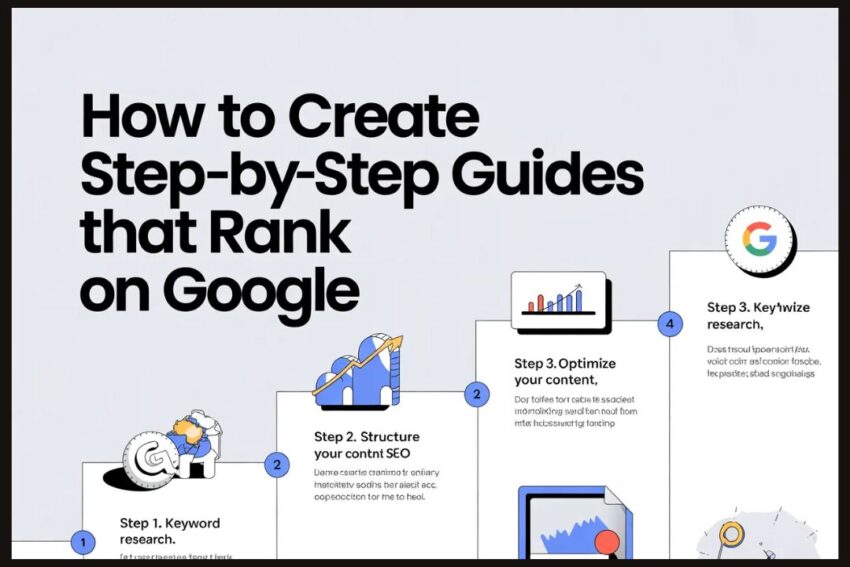
Creating step-by-step guides is one of the most effective ways to attract traffic from search engines. Millions of people search Google every day using phrases like “how to fix,” “how to create,” or “how to learn.” These searches show that users want clear instructions and practical solutions.
If you can create high-quality step-by-step guides that answer these questions, your content can rank well on Google and bring consistent traffic to your website.
In this article, you will learn how to create SEO-friendly step-by-step guides that rank on Google and provide real value to readers.
Understand Search Intent
Before writing any guide, it is important to understand search intent. Search intent refers to the reason why someone searches for a particular keyword.
For example, if someone searches for “how to create a website,” they are looking for a clear guide that explains the entire process from start to finish.
To understand search intent, you should:
- Search the keyword on Google
- Look at the top-ranking articles
- Identify the type of content they provide
Most top results will include step-by-step instructions, images, and practical advice. Your goal is to create a guide that is even more helpful than the existing ones.
Choose the Right Keyword
Keywords are essential for ranking on Google. The right keyword helps search engines understand what your guide is about.
When selecting a keyword, focus on long-tail keywords, which are more specific and easier to rank for.
Examples include:
- How to start a blog for beginners
- How to create a website without coding
- How to write a blog post step by step
These keywords usually have less competition and attract readers who are actively looking for solutions.
Use keyword research tools to find relevant keywords with good search volume.
Write an SEO-Friendly Title
Your title is one of the most important parts of your guide. It tells both readers and search engines what your content is about.
A good SEO title should:
- Include the main keyword
- Be clear and descriptive
- Promise a useful result
Examples of strong titles include:
- How to Start a Blog: A Step-by-Step Guide for Beginners
- How to Create a Website in 2026 (Complete Guide)
- How to Write SEO Content That Ranks on Google
A compelling title increases the chances of getting clicks from search results.
Create a Clear Structure
Google prefers well-structured content that is easy to read and understand. A step-by-step guide should follow a logical structure.
A typical structure might include:
Introduction
Required tools or resources
Step-by-step instructions
Tips and best practices
Conclusion
Using headings and subheadings makes the article easier to scan and improves readability.
Break the Process into Steps
The most important feature of a step-by-step guide is the clear sequence of steps.
Each step should represent a specific action that the reader needs to take.
For example, if you are teaching someone how to start a blog, the steps may include:
Step 1: Choose a blogging platform
Step 2: Register a domain name
Step 3: Select web hosting
Step 4: Install a content management system
Step 5: Publish your first post
Each step should include clear explanations and practical advice.
Write Detailed Instructions
One of the main reasons guides fail to rank is lack of detail. Readers want clear instructions that help them complete the task successfully.
Instead of writing short and vague steps, explain each part of the process thoroughly.
For example:
Instead of writing:
“Create a blog.”
Explain how to do it:
- Choose a blogging platform such as WordPress
- Buy a domain name
- Select a hosting provider
- Install the blogging software
Detailed instructions make your guide more useful and increase the time readers spend on your page, which helps SEO.
Use Visual Elements
Visual elements can significantly improve the quality of your step-by-step guide.
Consider adding:
- Screenshots
- Infographics
- Diagrams
- Images
Visuals help readers understand instructions faster and make the article more engaging.
For technical guides, screenshots are especially useful because they show exactly what the reader should see on their screen.
Optimize On-Page SEO
To help your guide rank higher on Google, you should optimize key on-page SEO elements.
Important optimization techniques include:
Include the main keyword in the title
Use the keyword in headings
Add the keyword naturally in the content
Write a compelling meta description
Use internal links to related articles
Optimize images with alt text
However, avoid keyword stuffing. Keywords should appear naturally within the content.
Provide Additional Value
To outperform competitors, your guide should offer more value than other articles on the same topic.
You can do this by including:
Helpful tips
Common mistakes to avoid
Expert advice
Frequently asked questions
These extra sections make your guide more comprehensive and useful.
Encourage User Engagement
User engagement signals can influence how well your content performs in search engines.
Encourage readers to interact with your content by:
Asking questions
Inviting comments
Providing downloadable resources
Suggesting related articles
The more time users spend reading your guide, the better it performs in search rankings.
Update Your Guide Regularly
Search engines favor fresh and updated content. If your guide becomes outdated, it may lose rankings.
To keep your article relevant:
Update outdated information
Add new steps or tools
Improve the content structure
Refresh screenshots and examples
Regular updates can help maintain or even improve your rankings over time.
Conclusion
Creating step-by-step guides that rank on Google requires more than just explaining a process. You need to combine helpful content, strong SEO practices, and clear structure.
To summarize, successful guides usually include:
- A clear understanding of search intent
- The right keywords
- A compelling title
- Organized headings and sections
- Detailed step-by-step instructions
- Visual elements for clarity
- SEO optimization
When you consistently create helpful guides that solve real problems, search engines will reward your content with higher rankings and increased traffic.